Ashton and Saphira’s Full-Moon Bond Restoration
A Werewolf Thing: A Rejected Mate Werewolf RomanceAshton and Saphira’s Full-Moon Bond Restoration is the decisive ritual through which Ashton accepts Saphira after rejecting her and reconstitutes their broken mate bond. The event gives their reconciliation a supernatural and social form: love is not restored by apology alone, but by a rule-bound act performed at a precise lunar moment, followed by bodily marking, public announcement, and the couple’s eventual recognition as the pack’s alpha and Luna.
Causes and Ritual Conditions
The restoration begins when Ashton tells Saphira that he wants to perform the full moon ritual. His proposal shocks her because the ritual is not merely a romantic gesture. It is the established mechanism by which a mate accepts the mate he previously rejected. Saphira immediately agrees because she wants their bond restored, turning Ashton’s request into the first clear movement from rejection toward reconciliation.
The ritual is governed by an exact temporal condition. It must occur at the closest full moon following the date of rejection, and the rejecting mate must mark the rejected mate when the full moon reaches its highest point. Ashton emphasizes the urgency by telling Saphira that the next day is the full moon. The deadline makes their reconciliation precarious: the bond can be restored, but only if the couple reaches the ritual’s threshold in time.
The Ritual and Its Bodily Sign
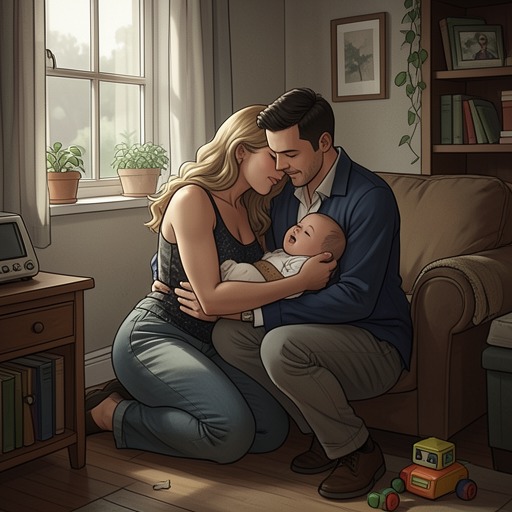
The ritual’s defining act is Ashton’s mark on Saphira. By the following Tuesday, Saphira tells Ella that she and Ashton have mated and that he has marked her, confirming that the restoration has taken place. The mark lies just below her collarbone and depicts a rose wrapped in spiraling thorn vines, with Ashton’s name inside it. The image joins tenderness and pain: the rose signifies attachment, while the thorns preserve the memory that this bond has passed through rejection rather than beginning in uncomplicated harmony.
Saphira remains nervous about the ritual, but she describes Ashton as gentle and attentive, emphasizing that he made certain she was completely ready. Her account gives the event an important ethical dimension within the supernatural rules. The mark is powerful because it is required, but the scene also stresses preparation and consent. For Saphira, Ashton’s care becomes part of the meaning of restoration, and her affection expands beyond the ritual itself into a declaration that she loves everything about him.
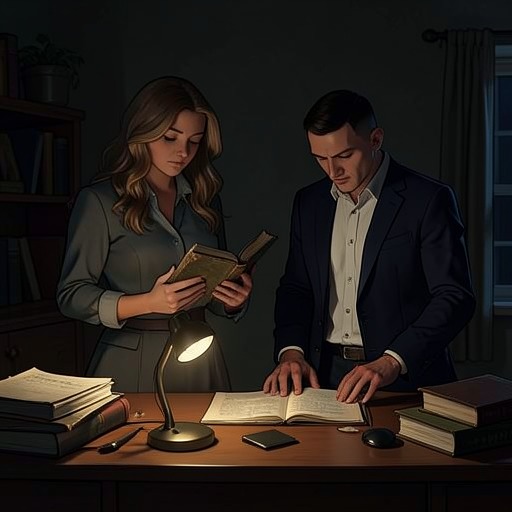
The couple’s intimacy is framed by deliberate preparation rather than a single instantaneous transformation. After spending the evening learning about one another through a game of questions that extends far beyond its original premise, Ashton notes that midnight is approaching and asks Saphira whether she is ready. She answers without wavering. This exchange places emotional readiness alongside the ritual’s external lunar requirement: the bond can be restored only when the supernatural timing and the partners’ willingness converge.
From Private Reconciliation to Pack Legitimacy
Once Ashton and Saphira are mated and she bears his mark, their relationship acquires public obligations. Ella tells Saphira that the couple must announce the bond to the pack at the next meeting. Ashton has already explained that the announcement is connected to the pack’s future leadership: he wants the pack to know that its next alpha has found his mate. The restoration therefore does more than repair two individuals. It establishes the partner whose presence is necessary to Ashton’s political identity.
That public dimension becomes explicit when David addresses the assembled crowd and proclaims that there will be a new alpha and Luna. He names Ashton Smith as the future alpha and Saphira Richards as his mate and Luna, prompting cheers and wolf whistles. The crowd’s response converts the restored bond into collective recognition. What began with Saphira’s shock at Ashton’s proposal ends as a social fact witnessed by the pack.
The later leadership announcement also clarifies why the ritual matters beyond romance. Ashton’s future authority is presented together with Saphira’s position beside him; the pack’s succession is not described as his achievement alone. The restored bond supplies the relational basis for the alpha-and-Luna order, linking private acceptance, bodily marking, and communal legitimacy.
Conflict and Consequences
The restoration does not erase the instability surrounding Ashton and Saphira. Soon after their mating, Saphira discovers a small plastic bag partly filled with white powder after it falls from Ashton’s pocket in the school cafeteria. When she asks why he has it, Ashton angrily tells her that what he does is none of her business and snatches the bag back. The confrontation exposes a contradiction at the heart of the restored bond: Saphira regards Ashton’s conduct as her concern because he is her mate, while Ashton responds by asserting secrecy and distance.
The substance use develops into a broader crisis. Ashton admits that he has been drinking; his wrinkled shirt, disordered hair, and slightly glazed eyes make his intoxication visible. Saphira worries that alcohol and drugs can still affect werewolves when consumed excessively, and she challenges whether he cares about what might happen to him. His future-alpha status cannot excuse every danger or responsibility, so the relationship restored by the full moon immediately becomes a site where private devotion confronts leadership and self-destructive behavior.
Their conflict eventually drives Saphira from the pack house. As she reaches the door, she looks back in hope that Ashton will change his mind and retract what he has said, but he looks away. She suppresses a sob, leaves the house, and runs from the pack grounds. This departure shows the restoration’s limits. The ritual repairs the supernatural bond, yet it cannot by itself guarantee emotional safety, responsible conduct, or stable partnership.
Narrative Significance
Ashton and Saphira’s Full-Moon Bond Restoration organizes the story’s recurring movement from separation to reintegration through ritual. Its structure combines a precise time, a required bodily sign, emotional preparation, and collective acknowledgment. The full moon creates sacred time distinct from ordinary school and domestic life; the mark makes the invisible bond visible; and the pack meeting gives the private transformation political consequences.
The event is also a turning point rather than a final resolution. Ashton’s request changes the value of the relationship from rejection toward renewed commitment, while the subsequent mark confirms that the change has been enacted rather than merely promised. Yet the drug discovery, Ashton’s intoxication, and Saphira’s eventual flight show that restored status and lived stability are not identical. The ritual can reopen the bond, but the couple must still negotiate trust, responsibility, and the demands of shared leadership.